THE STAGE 32 LOGLINES
Post your loglines. Get and give feedback.

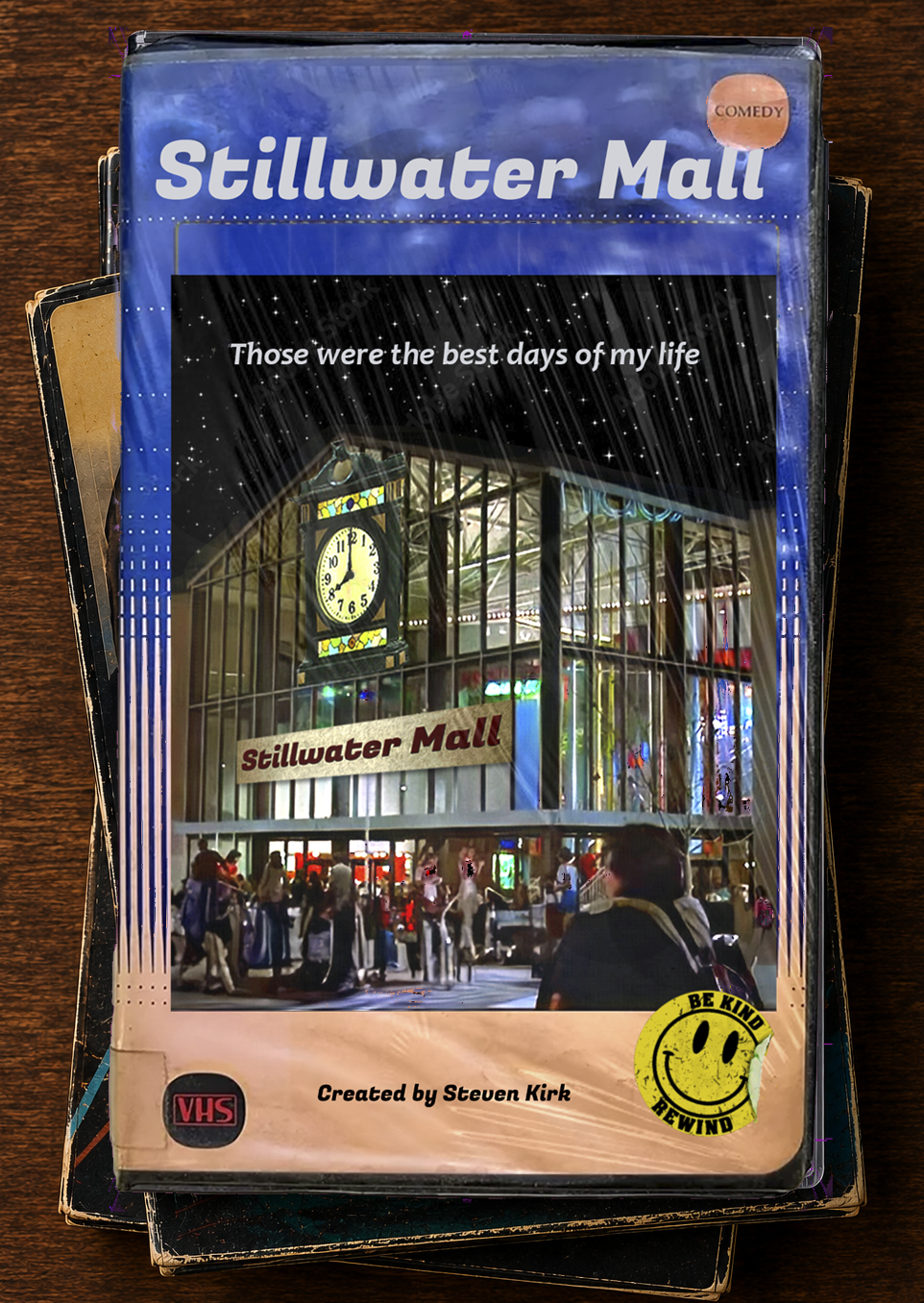
STILLWATER MALL
By Steven Kirk
Set in a small Midwestern mining town in 1985, Stillwater Mall is a half-hour ensemble comedy about young workers and the grown-ups around them culture-clashing at the town’s social heartbeat, the mall, where both generations are headed toward the same future, they're just listening to different soundtracks.
SYNOPSIS:
Stillwater Mall is a single-camera, half-hour ensemble comedy set in a small Midwestern mining town in 1985, where young adults and grown-ups collide inside a suburban shopping mall that serves as the town’s social hub. Beneath buzzing fluorescent lights and the hum of Muzak, friendships form, romances ignite, generations clash, and shenanigans abound.
At the center of the series are the young adults, juggling dead-end jobs, big dreams, family expectations, and the growing realization that adulthood is approaching faster than expected. Working alongside them are the grown-ups who run the show, many of whom believe they have already figured life out, even as the world around them continues to change. The friction between these two groups fuels both the comedy and the heart of the show.
The mall itself becomes a character, a crossroads where lives intersect every day. The video and record stores, food courts, arcades, and movie theaters serve as stages for comedy and conflict, while the shared space forces generations to confront one another in ways they cannot avoid. Episodes balance sharp humor with heartfelt moments, using the music, fashion, and cultural touchstones of the 1980s as emotional shorthand.
The pilot takes place on New Year’s Day, 1985, during a high-profile mall event celebrating the unveiling of a newly updated centerpiece: a classic 1970s clock-topped granite waterfall, reimagined to signify the new age with cascading neon. What should be a polished presentation quickly devolves into chaos, complete with botched performances, misplaced authority, and generational tension. Amid the disorder, the unveiling becomes a symbolic moment, reflecting the series’ core idea that old and new can collide to create something unexpectedly beautiful.
Over the course of the first season, Stillwater Mall explores evolving friendships, romantic misfires, family pressure, and personal ambition, showing how both young adults and grown-ups are still works in progress. At its heart, the series is about connection, identity, and the realization that everyone is headed toward the same future, they're just listening to different soundtracks.
Why I'm telling this story.
Stillwater Mall is inspired by my own experiences growing up during the height of mall culture in the 1980s. Like the characters in the show, I spent my formative years in malls, drawn to the arcade, the movie theater, and the record store long before adulthood felt real. By 1985, I was working alongside my best friend in his dad’s local video store, navigating responsibility, big dreams, and plenty of young-and-dumb trouble.
As nostalgia-driven storytelling continues to connect with audiences, it felt like the right moment to share a story rooted in lived experience that explores what the '80s felt like from the inside.
Over the years, I’ve known (or been) every character in this world. The relationships, conflicts, and shenanigans in Stillwater Mall come from lived experience, filtered through humor, music, and nostalgia. This series is my way of capturing a time when connection was physical, community was tangible, and growing up happened one awkward retail shift at a time.
STILLWATER MALL
View screenplay Register / Log In

Rated this logline
Rated this logline
Rated this logline
Rated this logline
Rated this logline
Rated this logline
Rated this logline
Rated this logline
1 person likes this
I love this! It would take me back to when I was a kid in the 80's
Rated this logline