THE STAGE 32 LOGLINES
Post your loglines. Get and give feedback.

AN ACTOR WHO CAN PLAY KINGS
By Ismael Camargo
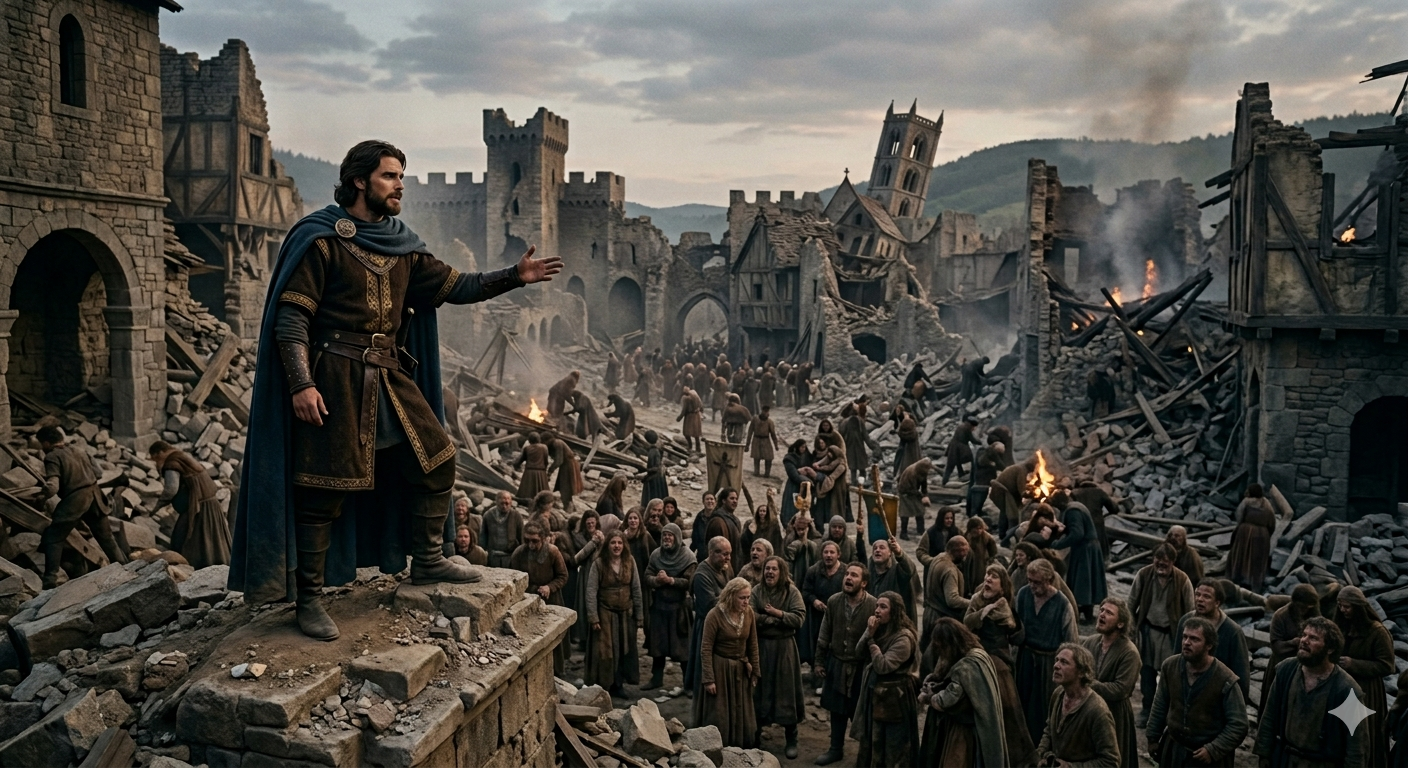
An earthquake destroys a city. A man addresses the survivors and blames the libertines. Everybody decide to live in chastity. This man crosses the river that divides the city and performs the second speech, this one in favor of free love. A wild party begins in the riverbanks. A civil war break out. Third speech.
SYNOPSIS:
An actor who can play Kings by Ismael Camargo
An earthquake destroys a Spanish city. As survivors recover the bodies of the dead, a man (an
actor who arrived in the city that same day) begins a speech. This orator blames the libertines
for having unleashed God's wrath. Religious sentiment touches the hearts of those who listen,
and before a cross, they swear to live austere and sober lives. They light a bonfire and throw in
their jewels, perfumes, portraits, and mirrors, and then begin to destroy the statues in the city,
especially the funerary monuments.
The actor (accompanied by a group of friends, including a young woman from the aristocracy)
crosses the river that divides the city in two. There, he gives a second speech, this one about
the brevity of life and the folly of postponing love, pleasure, and life until tomorrow for fear of
others' opinions. He is so persuasive that right there, on the riverbank, a joyful and unrestrained
celebration of life erupts: everyone declares their love for one another, and no one refuses to
participate.
A group of the religious zealots who were flagellating themselves on the other side of the river
watch the celebration and see only depravity. They tell the others what they have witnessed,
everyone arms themselves and goes to punish the devil's followers.
And the battle begins, and blood begins to flow.
The actor mounts a fine horse and rides into the heat of the battle.
I am the King, and I will punish with death anyone who does not throw down their weapons at
this very moment."
The battle instantly subsides.
So convincing is the actor's performance that five minutes later he is attacked by the King's
enemies, his friends defending him manage to save him.
Part Two.
Voltaire and Paganini travel from France to England. That night, a group of people threw them
into the sea: Voltaire for his criticisms of the Church, and Paganini because they believed he
had made a pact with the devil.
The waves wash them ashore in Spain. Both are filled with fear. Spain is then under the rule of
the Holy Office, and as soon as they are identified, they will be burned at the stake. They make
plans to return to France, but when they enter a city to get what they need, they see something
that seems like a dream.
In Spain, absolute freedom reigns—religious, political, and sexual freedom. In fact, everyone
seems to be dedicated solely to making love. Someone identifies them: a tall, thin man who for
years has traveled the roads of Spain selling books from a wagon, especially chivalric
romances. Soon, Voltaire and Paganini learn the details of this revolution and happily participate
in it. It turns out that the actor had been to France and is a friend of both of them.
One day, the most unexpected of wars breaks out. Ten thousand Native Americans crossed the
ocean with the sole desire to destroy Spain and all Spaniards. It so happened that in a theater in
San Antonio, Texas, a Comanche native was playing the role of Don Juan Tenorio, and all the
Spaniards found it ridiculous that a Comanche would play this part. The Comanches were
offended; so were the Apaches, the Cheyenne, the Tlaxcalans, the Cherokees. The English
helped them cross the ocean, gave them weapons and horses so they could prove they were
the best riders in the world. They proved they were deeply offended and destroyed everything.
Voltaire, Paganini, and their new friends managed to escape because a Comanche helped
them. He approached the wagon with the idea of protecting the books before the fury of the
others burned them, but he was discovered and interrogated, ending up explaining the reasons
for the war. They all managed to reach the mountains of Asturias, where they could feel safe.
 Register / Log In

Rated this logline
Rated this logline
Ismael Camargo A fascinating and provocative premise, Ismael. What stands out to me is how the story appears to explore the power of rhetoric and the way societies can be influenced by strong voices, even when those messages contradict each other. The combination of political satire, social commentary, and absurdist comedy creates a concept that certainly sparks curiosity. Wishing you the best with the project.