THE STAGE 32 LOGLINES
Post your loglines. Get and give feedback.

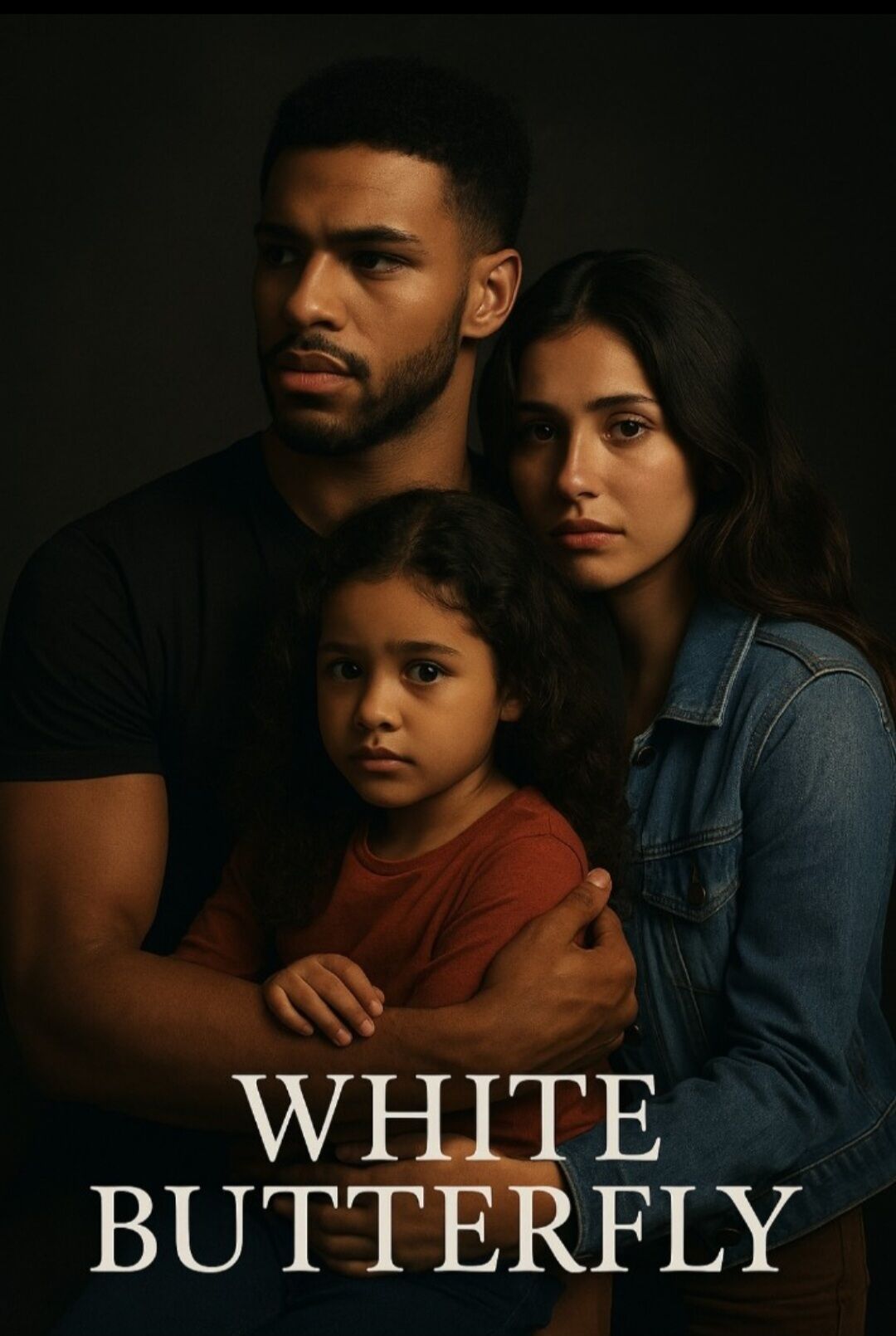
WHITE BUTTERFLY
By Kristina Dukanac
SYNOPSIS:
After the sudden death of their parents, 23-year-old Joshua Taylor becomes the sole guardian of his younger sisters, Joana (17) and three-year-old Hana. Struggling to survive, the family is pushed to its limits—until Joana, desperate to help, secretly begins stripping at a club owned by the ruthless rapper GenX. When Joshua discovers the truth and pulls her out, GenX blackmails him with a compromising video: pay, or Joana’s secret will be exposed. With no other way to protect her, Joshua turns to crime. As he is drawn deeper into a dangerous world, manipulated by his friend Nick, the line between right and wrong begins to blur. The siblings’ bond is tested by guilt, fear, and the consequences of Joshua’s choices—until everything collapses during a failed theft, leading to their arrest. In prison, Joshua protects Joana at all costs, even if it means risking his own life. Meanwhile, Joana is released on bail by Giovanni, the cousin of Joshua’s girlfriend Cora, and placed under house arrest in his home. After turning eighteen, she slowly begins to rebuild her life—finding safety, stability, and eventually, love with Giovanni. But when the truth comes out, trust shatters. At trial, corruption and betrayal seal their fate. Nick turns against them, and Joshua faces years behind bars. In a final act of sacrifice, Joana confesses everything in court—saving her brother, but destroying herself in the process. The sentences are reduced, but the damage is done. Joshua is taken away in chains. Joana collapses. And that same night, Joshua is betrayed once more.
 Register / Log In

Rated this logline
Rated this logline
Rated this logline
Rated this logline
1 person likes this
Kristina Dukanac This feels less like a conventional crime drama and more like a tragedy about responsibility, sacrifice, and survival. What really stands out is that the criminal world isn’t driven by greed or ambition, but by desperation and protection of family, which gives the story emotional credibility.
Joshua’s situation immediately creates sympathy because he’s forced into becoming both brother and parent overnight, and every bad decision seems rooted in trying to hold his family together. That makes the moral descent feel tragic instead of sensationalized.
I also think the emotional dynamic between Joshua and Joana is the heart of the story. Both characters seem trapped in systems exploiting vulnerability from different angles, which gives the narrative a painful inevitability.
The ending especially feels very bleak and dramatic in a way that fits the tone you’re building sacrifice doesn’t magically heal the damage, and betrayal continues even after everything they endured.
There’s definitely a raw, emotionally intense atmosphere running through this story that could resonate strongly if the screenplay keeps the focus on character psychology and relationships rather than just plot mechanics.
@Abhijeet Aade
Thank you — this is such an insightful read of the story, and honestly, you captured the emotional core of White Butterfly perfectly.
What was always most important to me is that Joshua never enters that world because of power, greed, or ego. He’s a young man thrown into an impossible situation after losing his parents, suddenly trying to become protector, provider, and emotional anchor for his sisters all at once. Every choice he makes comes from fear of losing his family, even when those choices slowly destroy him.
I’m especially glad you connected with the relationship between Joshua and Joana, because for me they really are the emotional center of the series. They both carry guilt, responsibility, and trauma in very different ways, while constantly trying to protect each other from systems that exploit vulnerability and poverty.
I also intentionally wanted the story to feel tragic rather than glamorous. Even when characters sacrifice everything for love or family, the damage doesn’t simply disappear. The emotional consequences continue long after the “big” events happen, and betrayal, trauma, and systemic injustice leave permanent marks on the characters.
Your point about focusing on psychology and relationships over plot mechanics is incredibly meaningful to me, because that’s exactly the direction I want the series to live in emotionally — less about crime itself and more about what survival does to people, families, and identity.
Thank you again for engaging with the story so deeply.