THE STAGE 32 LOGLINES
Post your loglines. Get and give feedback.

WHAT LOVE COULD DO: THE MARY ESTHER WELLS STORY
By Lisa Sheridan
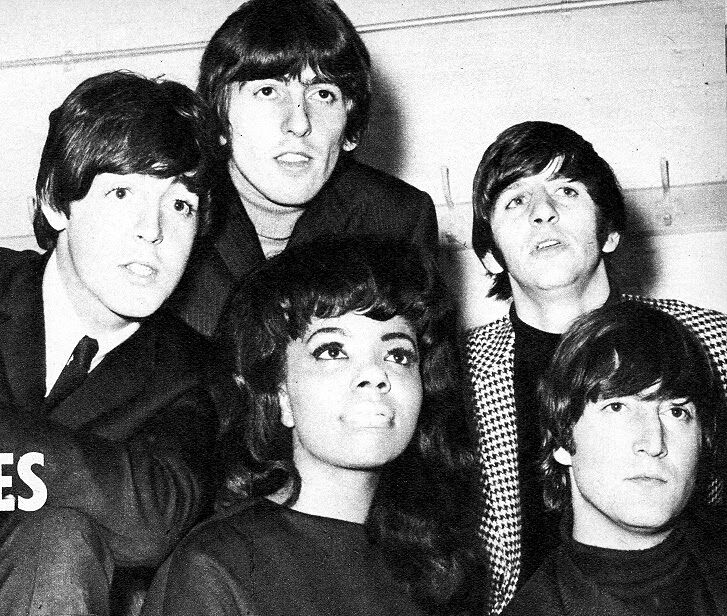
17-year-old Mary Wells writes a song for her idol Jackie Wilson, but Motown producer Berry Gordy instead signs her to the label, where she becomes a trailblazing pop star who shatters stereotypes for black women when her #1 smash hit, My Guy results in her opening for the Beatles on their 1964 UK tour.
SYNOPSIS:
17-year-old Mary Wells’ life growing up in the impoverished Blackbottom section of Detroit, Michigan has, up to this point, been a tough struggle. Abandoned before birth by her father, sickly as a child, her mother Geneva Wells seeks to better their lives, yet lacking an education or any employable skills beyond domestic work, cannot figure out how to accomplish this for herself, thus pushes Mary to use her gift as a singer to earn a better living. Mary has had no luck joining any local singing groups, yet her mother keeps pushing her to do so. Geneva is a bit manipulative yet clearly sees her daughter's talent. Her confidence is low, but we will see it grow with time as more people begin to believe in her and she realizes that she can put poverty in her rear-view mirror if she keeps striving. Mary is single-purposed, however, in getting her song to Jackie Wilson and when she finally tracks down Motown label owner Berry Gordy, he asks her to sing the song on the spot. Everything in her life changes in that moment as Gordy tells a disbelieving Mary to be in his office with her mother on Monday morning to sign a contract as a singer. What she thought she wanted in life, her goals, suddenly transfigured into a completely different reality. She is stunned yet feeling victorious in achieving another pathway out of poverty that she had not even seriously considered heretofore because she was never certain it would happen.
Her best friend Maye James is the first to believe in Mary’s talents and abilities, but beyond that comprehends her sweetness, charm, and inner strength in overcoming so many challenges in her young life. They share the common goals of striving to succeed, a general cynicism about relationships with young men, yet ardently still believe in love. They are on a journey together in their growing connectivity to the world and industry of popular music. They both seek success. Maye is great at organizing and dealing with business, and when Mary joins Motown, Maye becomes her PA as well as BFF. They both love glamour and fashion, teaming together on Mary’s wigs and dresses, enjoying life like two 20-somethings doing what they love and getting paid handsomely. They form a powerful bond of trust and stealthy companionship together.
Smokey Robinson is the second person who believes in Mary as he writes music for her and others at Motown. An emerging songwriter for the label, he is tasked with seeking to write hits for her. The first two are moderately successful, but when My Guy hits #1 in both the US and UK, once again, everything in Mary’s life, and those connected to Motown, begins to change.
The Beatles ask Mary to open for them on their UK tour. Suddenly Motown songs are in great demand; the Miracles, (Smokey’s original group), Supremes, Temptations, Marvelettes, The Four Tops, all keep Smokey busy but happily so. He and Mary confide in one another and one day, when she complains about wanting to move her mother into a new home yet cannot locate her residuals money, Smokey divulges that Berry Gordy has been ceding it to Diana Ross in order to promote The Supremes and eventually move her into a solo career. Mary is shocked and hurt because she trusted the man and the label to look out for her interests. Smokey also tells her that Gordy and Diana are romantically involved. He feels terrible confronting her with this truth, but Mary is not only grateful to learn of it, but she also adapts to reality quickly; she deserves her freedom, knows her value to the company and deserves to be paid.
The conflict she must face, however, is that she will have to give up song rights to Gordy in order to earn that freedom. Mary is after respect; money will have to take a back seat to her strength and power as an artist and as a woman. Rightfully or wrongfully, she now sees Gordy in the same vein as her father and her first husband, both men who were not only duplicitous and selfishly conniving but used their power to commit women who trusted them to a form of subservience. Because of her father’s abandonment, her mother was forced to scrub cold linoleum floors all her adult life while Herman thought she should settle for a proscribed having -his-cake-and-eat-it-too lifestyle, taking their marriage vows as a joke. Now she sees Gordy as those two along with being a man who would, for his selfish shims, ostensibly steal her hard-earned pay in order to keep a mistress happy.
Maye, the realist, Geneva the needy, Smokey the loving friend, and everyone she knows all try to talk her out of leaving. She is immutable. It is self-preservation she tells them; she cannot compromise who she is; her values and beliefs simply won't permit her resolve to crumble for the allure of money. Mary begins to suspect that some, like Geneva, are only concerned about their cut, not her mental well-being, which is hurtful, but they cannot see this. It feels too painful to stay at Motown. Berry comes to her and begs forgiveness, but she is incapable of reconsidering him and the label. Mentally, she is already gone. She signs at 20th Century Fox records.
Mary, who has long known the Womack Brothers, (“The Valentinos”), discovered by her late friend Sam Cooke, develops a strong bond, followed by a brief romantic relationship with Curtis Womack, who is madly in love with Mary. Mary is equally attracted to Curtis. They share similar values, like the same things, have an easy time conversing with one another, and are able to be transparently honest with one another, which she is enamored of. Sadly, however, they cannot marry, as his ex-girlfriend discovers she is pregnant with their baby, resulting in both families forcing his hand in marriage. Hurt, vulnerable, her career in a sort of standstill mode, Mary is not in a good place when being pursued by Cecil Womack, Curtis’ older brother. She tries to dissuade his affections but feeling uncharacteristically weak, finally gives in.
After they marry, and he unsuccessfully manages-or mismanages-her career, Mary divests all her energies into being a good mother. Her children become her world, but she is starving for someone to believe in her talents and abilities. Maye is there, and eventually Mary does some revival bookings, happily returning to the craft she loves that so defines her many gifts as a performer.
This gives her pause to think about the downward trajectory of a marriage she knew all along was wrong for her and confides to Maye that Cecil is a good dad and a good man, but they are wrong for one another. He needs someone to dominate while she needs someone to unclip her wings.
Curtis, meanwhile, unhappy with his doomed marriage, visits Mary regularly to share his tears with hers. They decide they were and have always been in love. That people will talk about her being his sister-in-law and vice versa doesn’t concern them; they want each other badly and thus decide to go with the strength of their love and conviction. Damn public opinion. This is their life together! They have a daughter Sugar, all tour together. Curtis and Mary are a good team, deciding on projects together, reviving a Marvin Gaye duet Once Upon a Time with his brother Frankie that helps recoup some of her lost Motown money.
Mary then develops cancer and has a final farewell scene with Maye that underscores Mary’s strength as she prepares to leave the world, entrusting her with looking after Sugar, Curtis and her three other kids, despite their grandparents being there for them. She wants them to remember her love most of all. Before all that, however, Bruce Springsteen hosts a benefit concert for Mary to pay for her medical bills, which sees all her former Motown colleagues writing massive checks out of love for her, including Berry Gordy who pays for her funeral. Redemption. We end with a funeral scene that includes all of Motown and ends with Stevie Wonder leading the congregation in a rousing rendition of My Guy.
WHAT LOVE COULD DO: THE MARY ESTHER WELLS STORY
View screenplay Register / Log In

Rated this logline
Rated this logline
Rated this logline
Rated this logline
Rated this logline