THE STAGE 32 LOGLINES
Post your loglines. Get and give feedback.

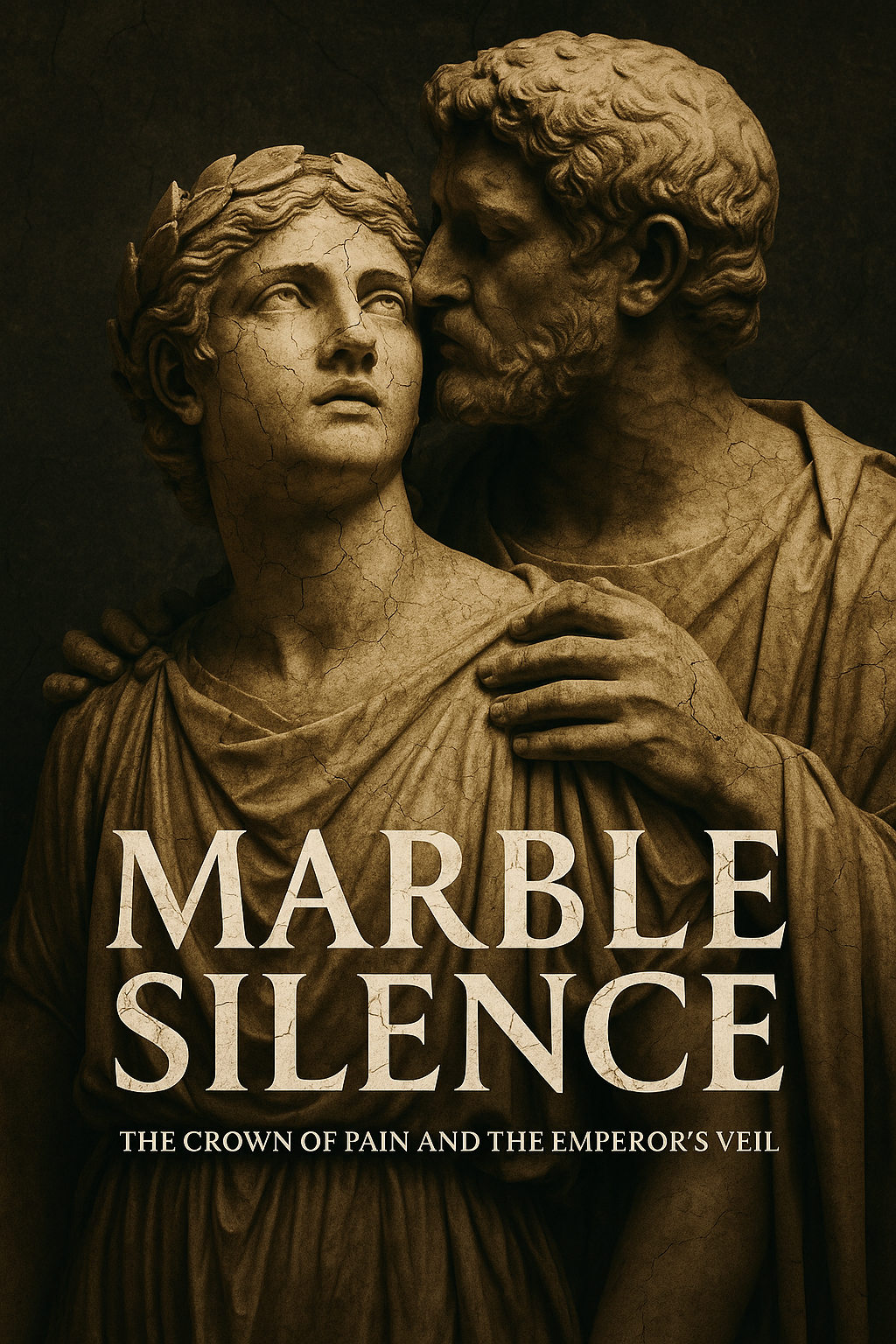
MARBLE SILENCE - THE CROWN OF PAIN AND THE EMPEROR'S VEIL. (FEATURE FILM)
By Amanda Alencar
In the opulence of Imperial Rome, a young boy is silenced, crowned, and erased. But beneath the marble mask of an empire, a soul refuses to die. The forgotten voice of Sporus rises.
SYNOPSIS:
Marble Silence is a haunting historical drama reimagining the true story of Sporus, a boy castrated and crowned as “empress” by Emperor Nero after the death of his wife. In a world sculpted by decadence, cruelty, and power, Sporus becomes a living ornament, beautiful, voiceless, and trapped in marble silence. Behind the veil forced upon him, a mind resists and a soul aches, as the empire celebrates his image while erasing his humanity.
Along his journey, unexpected allies and forbidden love challenge his resolve, forcing him to confront the price of freedom. Through poetic visuals and emotional intimacy, the film explores identity, erasure, and resilience. What it means to remain human when the world sees only a role to be played. This is not the story of a ruler; it is the story of the ruled. The crown was pain. The veil, submission. But his silence still echoes.
 Register / Log In

Rated this logline
Rated this logline
Rated this logline
Amanda Alencar This feels less like a traditional historical epic and more like a tragic psychological portrait hidden inside imperial spectacle. What stands out most is the decision to center the story not on Nero’s power, but on the humanity of someone history largely reduced to an object, symbol, or footnote.
The phrase “living ornament” is especially haunting because it captures the emotional core of the premise: being seen constantly while never truly being seen as human.
I also think the contrast between the grandeur of Imperial Rome and the private suffering underneath it gives the project strong thematic tension. Marble, crowns, ceremony, beauty all functioning almost like prisons rather than symbols of glory.
And honestly, the title Marble Silence fits beautifully because it evokes permanence, coldness, and suppression all at once. It sounds like a story deeply interested in identity and survival inside systems that reshape people into performances for power.
What makes the concept emotionally compelling is that it doesn’t frame resilience as loud heroism. It sounds quieter, more internal, more painful the act of preserving some sense of self when the world continuously attempts to erase it.
Definitely feels like a project driven by atmosphere, emotional intimacy, and tragic humanity rather than spectacle alone.