THE STAGE 32 LOGLINES
Post your loglines. Get and give feedback.

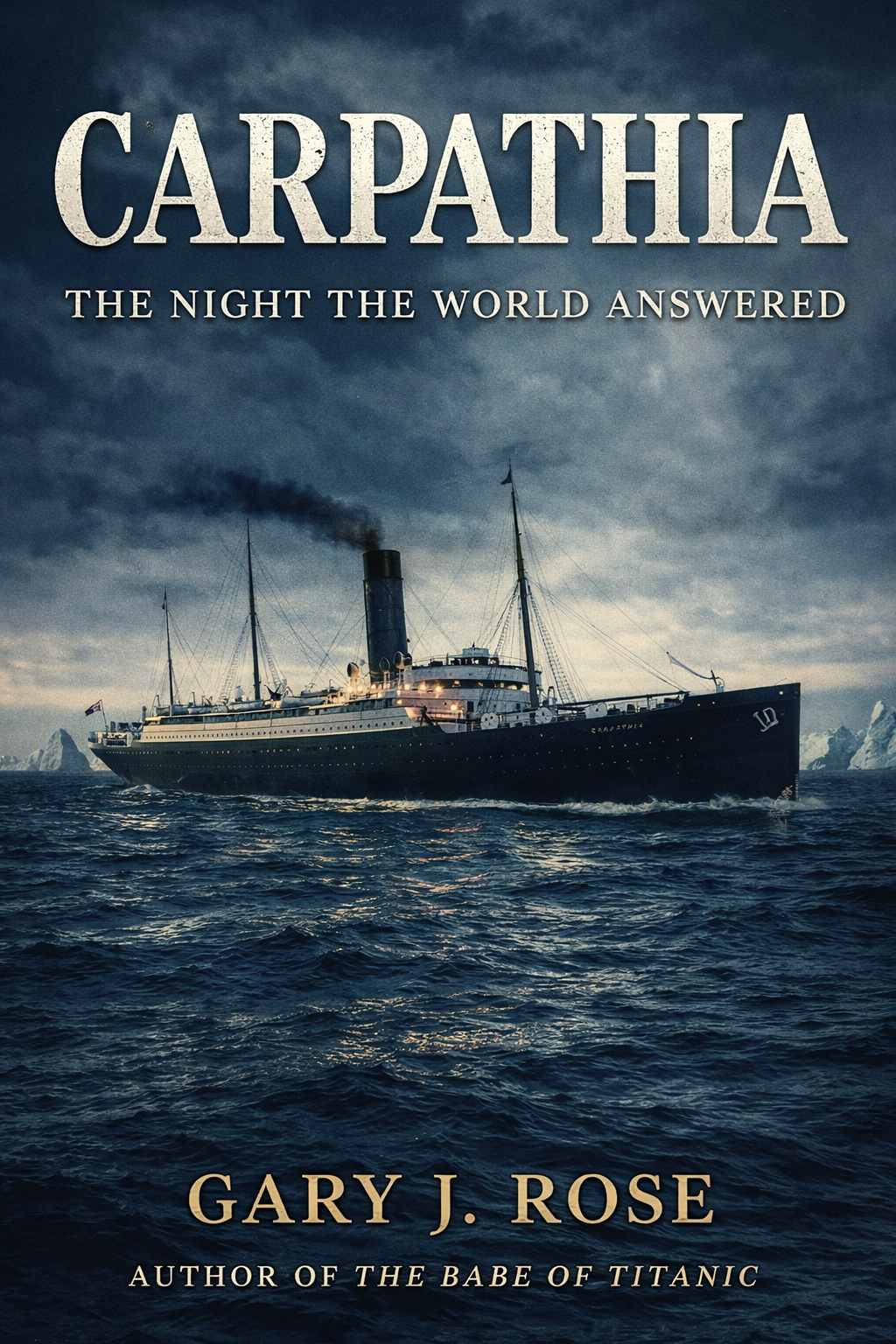
CARPATHIA
By Gary Rose
When the Titanic sinks, the captain and crew of the RMS Carpathia race through ice-filled seas to rescue survivors—only to discover that answering history’s greatest call comes without glory, reward, or control over how the story is told.
SYNOPSIS:
On the night of April 14, 1912, the RMS Carpathia is an unremarkable passenger ship crossing the North Atlantic under the command of Captain Arthur Rostron. Far from the luxury and prestige of the Titanic, Carpathia is smaller, slower, and carrying no expectations beyond a routine voyage.
Everything changes when a faint distress signal crackles through the wireless room.
Without hesitation, Rostron orders the ship turned toward the Titanic’s last reported position—straight into dangerous, ice-choked waters. Boilers are pushed beyond safety limits, heat and hot water are diverted from passenger cabins, and extra lookouts are posted as the crew drives the ship through the night at maximum speed. Every decision carries risk. Failure means not only disaster for Carpathia, but the loss of thousands already trapped in the freezing Atlantic.
By dawn, Carpathia arrives too late to save the ship—but not too late to save more than seven hundred lives.
As survivors are hauled aboard, the rescue reveals its true cost. The ship is overwhelmed with the injured, the grieving, and the silent shock of those who survived while others did not. Crew members become nurses, doctors, and counselors. Ordinary spaces are transformed into infirmaries and shelters. Leadership shifts from speed to mercy.
As the rescue ends, a new pressure begins.
While Captain Rostron and his crew struggle to care for survivors, the outside world awakens hungry for answers, blame, and headlines. Wireless messages pour in from shipping companies, newspapers, and government officials. Rumors begin forming before facts are known. Public judgment arrives long before the ship reaches port.
Famous survivors like J. Bruce Ismay and Molly Brown emerge into the story—not as heroes or villains, but as human beings caught in the same moral storm. As narratives harden and history begins to take shape, Rostron realizes that the rescue he commanded with absolute clarity will soon belong to others to interpret, distort, and claim.
When Carpathia finally docks, the survivors disembark into a world ready to celebrate tragedy and assign meaning. The crew receives no parades, no lasting recognition—only the quiet satisfaction of having done their duty.
As the ship returns to service, the extraordinary fades back into routine.
Carpathia is a restrained, character-driven historical drama about leadership without applause, heroism without spectacle, and the unseen cost of answering a call when the world is watching—and rewriting the story before the truth can catch up.
CARPATHIA
View screenplay Register / Log In

Rated this logline
Rated this logline